
The PPE glove market has entered a new phase. Gloves are no longer treated as basic consumables. Now, in 2025, they’re being more evaluated for their safety performance, compliance records, material safety, and sustainability profile.
- Buyers ask: “Are these gloves CE certified?” “Do they really perform on the job?” “Do they align with our sustainability goals?”
- Brands are expected to offer proof of safety, consistency, and supply reliability.
- Gloves are now seen as strategic products, not just tools, but indicators of trust and professionalism.
This is the shift to credibility gloves are no longer just functional; they are a reflection of the standards and values of the brand selling them. For OEM glove brand owners and distributors, this means stepping into a new role, not just as suppliers, but as informed partners in workplace safety.
At Nastah, we’ve spent decades helping glove brands build credibility, not just inventory. Here’s the key shifts shaping the glove market and what you, as a brand owner, need to do to stay relevant and trusted.
1. Compliance Is No Longer Optional, It’s Part of Your Brand
The shift: Safety and procurement teams now demand certified gloves that meet relevant safety standards. These certifications are no longer optional; they’re the price of entry.
Your role as an OEM brand owner:
- Choose a manufacturer who understands and follows CE and EN regulatory requirements
- Learn how to interpret basic technical documentation (e.g., conformity, usage limitations)
- Ensure that what your packaging, brochures, and salespeople say matches the glove’s actual certification
🔹 Why it matters: You’re not just distributing a glove; you’re putting your name behind its safety performance. Misalignment leads to mistrust or worse, product rejection.
2. Glove Performance Must Be Real. Not Just Promised
The shift: Buyers care less about specs on paper and more about how gloves perform in real working conditions. They want gloves that don’t slip, tear, or cause fatigue during long shifts.
Your role as an OEM brand owner:
- Understand your customer’s jobsite conditions (chemical, oily, food-safe, heat)
- Offer glove types that match those conditions, not just a general-purpose solution
- Test the gloves yourself or gather feedback from end-users before scaling
🔹 Why it matters: If your glove fails in the field, your customer doesn’t blame the factory, they blame your brand. Helping them choose the right glove protects your reputation.
3. Reusability Is Now a Procurement Priority
The shift: ESG expectations are growing — and reusable gloves that offer long wear cycles and reduce replacement waste are now preferred by large buyers.
As a brand owner or distributor: You need to choose glove models that not only last longer but also support your customers’ sustainability goals. That includes:
- Reducing glove waste through longer usage cycles
- Minimizing packaging volume and switching to recyclable options
- Communicating those benefits in tenders and product info
🔹Nastah’s reusable glove lines are built for repeat use and packaged for efficiency. We help our OEM partners offer gloves that reduce waste without sacrificing protection.
4. Supply Chain Confidence Is a Competitive Advantage
The shift: Delays, stockouts, and inconsistent production hurt brand trust. In 2025, buyers expect consistent lead times, stable pricing, and responsive partners.
As a brand owner or distributor: You are accountable for your glove supply chain. That means:
- Communicating clearly with your customers on production lead times
- Choosing a supplier that offers reliability across every order cycle
Consistency protects your brand reputation, and we treat it like our responsibility too.
5. Your Product Knowledge Is Now a Brand Differentiator
The shift: Buyers want partners who understand glove specifications, standards, and application not just price and model numbers.
As a brand owner or distributor: You need to be able to speak confidently about:
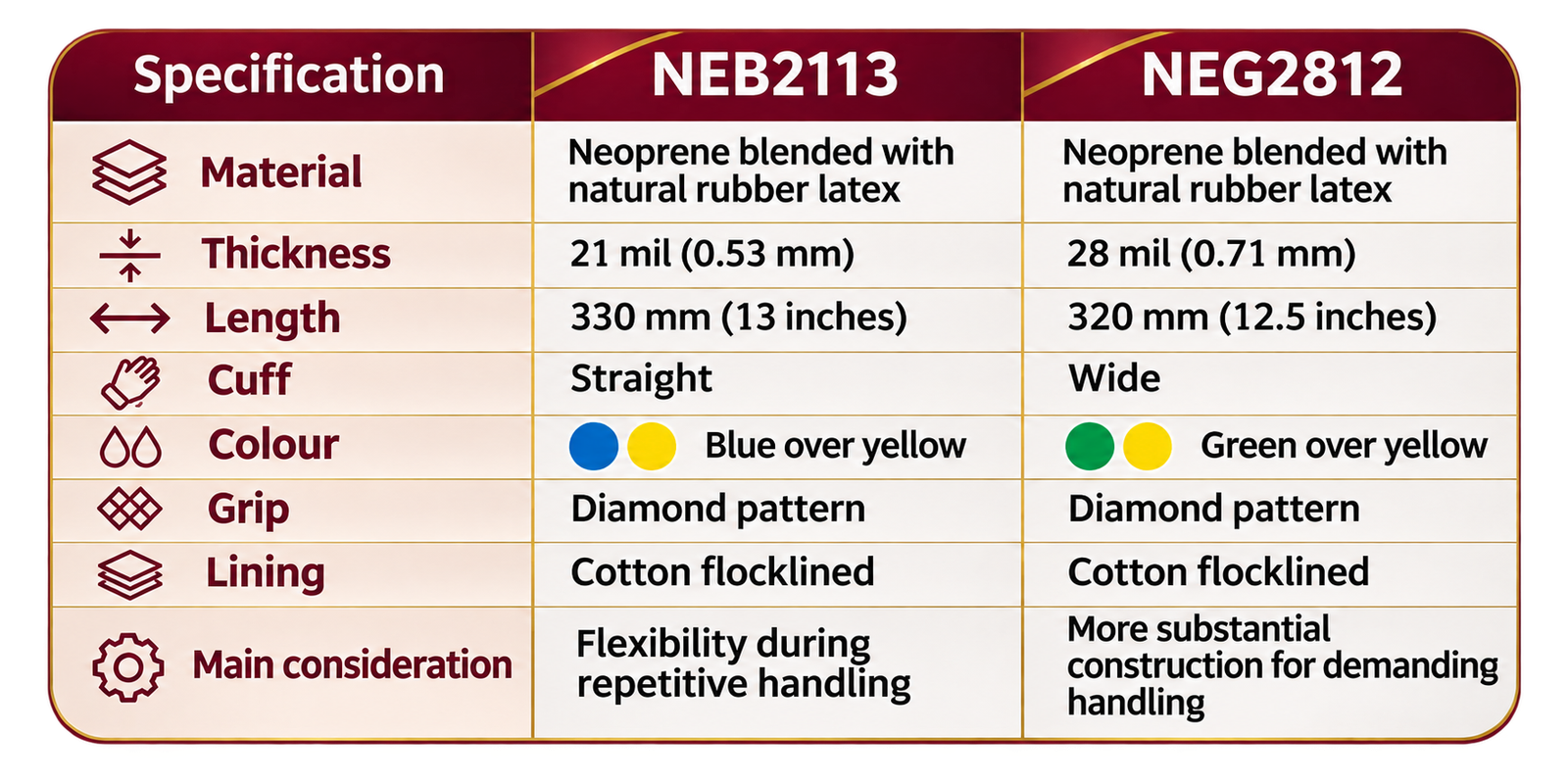
- Material selection
- Grip patterns and thickness
- Regulatory differences by region
At Nastah, we work with our OEM partners to build knowledge around each product, so you can train your team and engage buyers with authority.
Building a Credible Glove Brand Starts with the Right Partner
At Nastah, we manufacture reusable gloves made from natural rubber, nitrile, and neoprene—each designed to meet specific industrial needs with quality, durability, and safety in mind.
We’re proud to support OEM glove brands and distributors across the world with:
- Gloves manufactured to EN standards, marked with CE certification
- Custom private-label options, including logo printing
- Packaging support to help your glove line stand out
- A responsive team focused on long-term partnerships not just transactions
Let’s build a glove brand that reflects the quality, values, and standards behind your brand name. Contact us now!